

Community Isn't Found. It's Built.
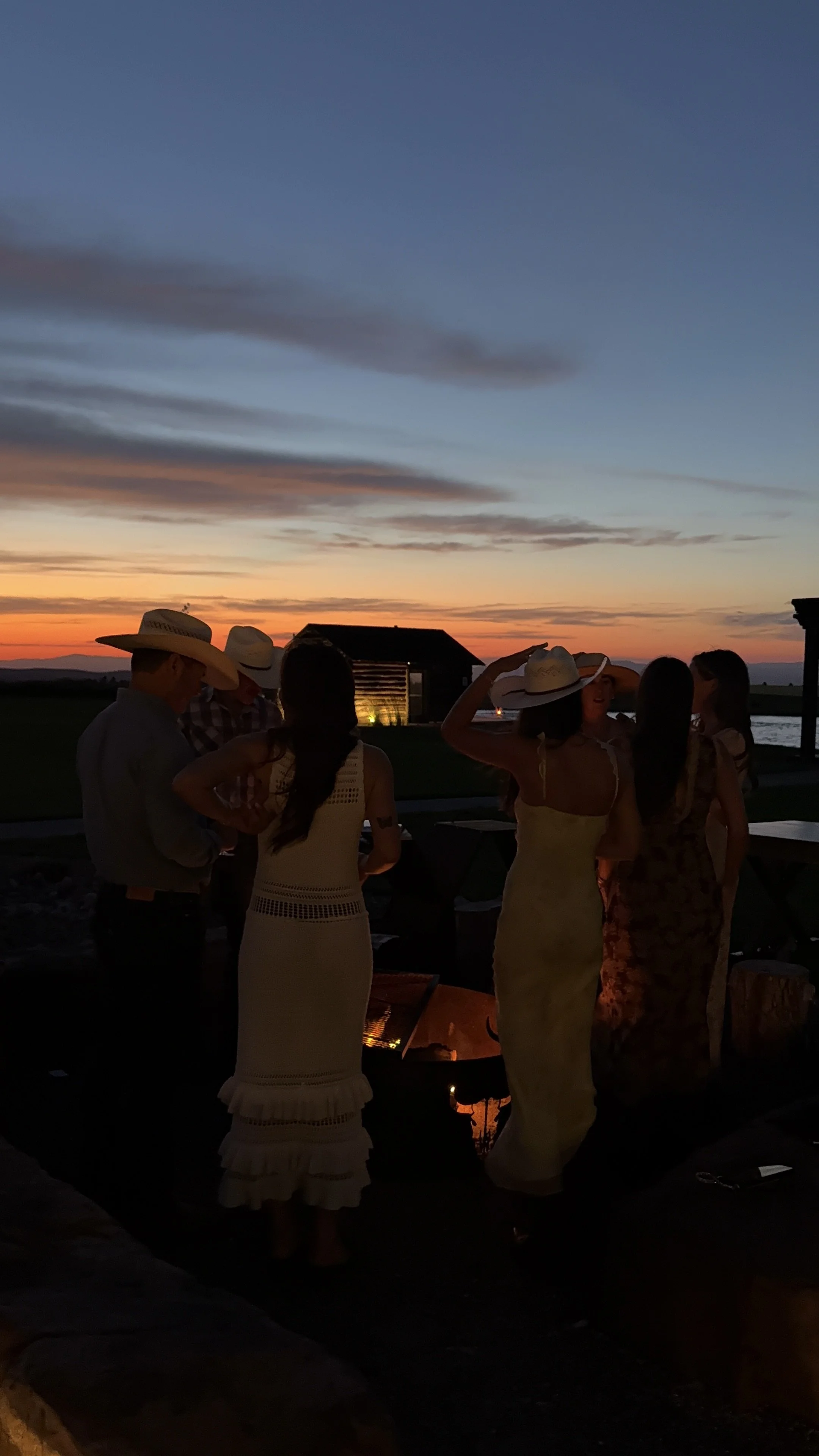
Look at where people are finding their people right now. There's the Saturday run club where coffee afterward matters as much as the miles, the fans who travel across the state for a show and come home with a new group chat, and the monthly dinner that started with eight people around one table and now has a waitlist. There's also the private club whose members wear the logo everywhere they go.
Each of these started with someone bringing people together. The activity might be running, music, or food, but that's not what keeps people coming back. It's the relationships they build along the way. That's the part most businesses miss when they say they want a community.
Why Attendance Isn't Belonging
Almost every business says it wants a community. You can usually find the word in the brand guidelines, the pitch deck, and the about page. What tends to follow is an events calendar, a branded hashtag, and a Facebook group that goes quiet by month three.
A lot of what gets called community-building is really just getting people in the same room. You go to the mixer, join the chamber, and show up often enough that people start recognizing your face. That's networking, and it has its place. But being familiar with someone isn't the same as knowing them.
Think about a band and its fans. Thousands of people might show up to the same concert, but the fans who save each other a spot in line, share recommendations, and meet up at the next show have built something beyond their shared interest in the music.
Somebody Set Out the Chairs
The word "find" makes it sound like a community is already out there, fully formed and waiting for you to join. In a town like Bozeman, where so many people have arrived from somewhere else, that isn't always the case. Sometimes the group you're looking for doesn't exist yet. Someone has to start it.
Most communities begin with a person who notices something is missing and decides to do something about it. They send the invites, pick the route, set out the chairs, and follow up with the person who came once and didn't come back.
"Polished brands are easy to admire and hard to belong to."
Month Six Looks Like Failure
Most businesses measure community on the same timeline as an ad campaign. Did engagement go up this month? Did the event pay for itself? Those are understandable questions, but they don't tell you much about whether people are building relationships.
Every run club with a line out the door had a first Saturday when only three people showed up. In the beginning, the same handful of people might come every time, and conversations can feel awkward. It can take months, sometimes years, before something starts to grow. Those early regulars are often the reason it gets there at all.
Building a community also means giving more than you get back for a while. People can tell when a gathering is really a sales funnel with snacks, and they're unlikely to keep coming if every interaction leads to a pitch.
It helps to have a clear point of view, too. People want to connect with something that feels genuine, whether that's a shared interest, a set of values, or the person bringing everyone together. Trying to appeal to everyone can make it harder for anyone to feel like they belong.

The Marketing You Don't Pay For
Private clubs have understood the value of belonging for a long time. Members pay to be part of something, then wear the logo out in the world because it means something to them. It says something about their interests, their identity, and the people they know.
For businesses, that kind of connection can have a real impact on marketing.
People bring other people. A regular who invites a friend brings a level of trust that an ad can't easily replicate. The new person already has a reason to give your business a chance.
Content becomes easier to find. When people gather around your business, there are real stories to share, from conversations and photos to questions that come up naturally. You're no longer relying entirely on a content calendar to decide what to post.
You get a better sense of who's invested. Reach tells you how many people saw something. Repeat attendance, replies, and referrals give you a clearer picture of whether people want to stay involved.
THE TAKEAWAY:
The run clubs, dinners, and fanbases people build their lives around didn't become communities overnight. They grew because people kept showing up, got to know each other, and eventually started bringing others along.
If every connection runs through you, the business is still doing most of the work. The goal is to create something people want to be part of, even when you're not the one making the introduction.
Start with one recurring thing. Keep doing it longer than feels reasonable, and give the people who show up a way to help shape it. You can't find a community, but you can set out the chairs and keep setting them out.
