

Jason Smith on Building the Next 45 Years of Schaefer Outfitter
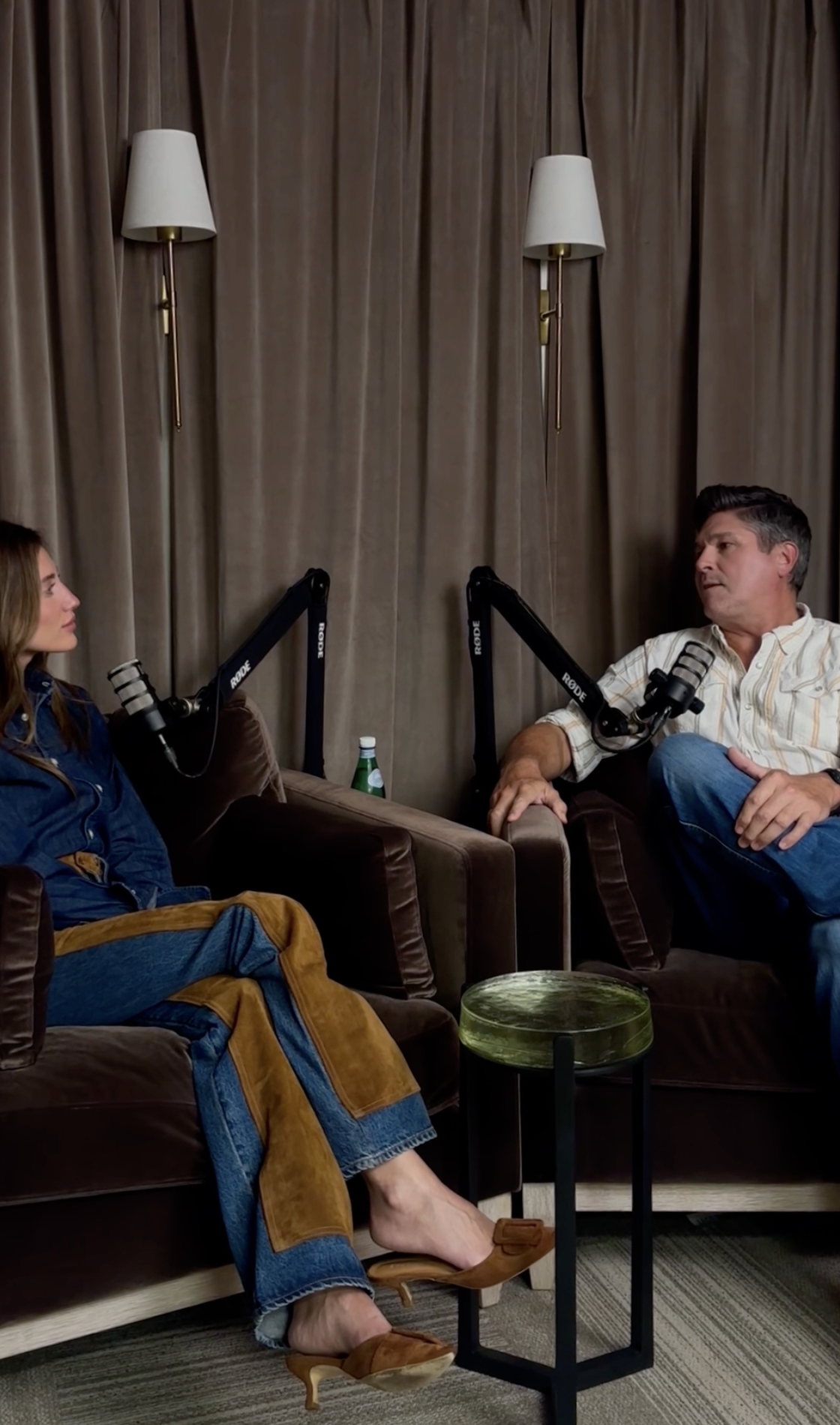
When Jason Smith joined Schaefer Outfitter, the company already had more than 40 years behind it. It had loyal customers, a reputation for quality, and a place in the Western market.
He wasn't starting from scratch. But figuring out how to grow a brand with that much history came with its own set of challenges.
In Episode 13 of The Brief, Liv sits down with Jason to talk about what it's been like to take Schaefer into its next chapter. They get into the company's growth in women's clothing, how the Western market has changed, why quality isn't something Jason is willing to compromise on, and what it takes to build on a brand that's been around for decades.
“We were so scared when we first came in.”
That's how Jason describes the early days.
When you're taking over a brand with decades of history, there's a lot to think about. You want to bring in new customers and try new things, but you also don't want the people who have supported the business for years to feel like they've been forgotten.
For Schaefer, that meant figuring out what needed to change and what didn't. The company couldn't keep making the same products for the same customers forever, but quality and a clear sense of purpose weren't up for debate.
Jason also knew he was starting with something a lot of businesses spend years trying to build: customer trust.
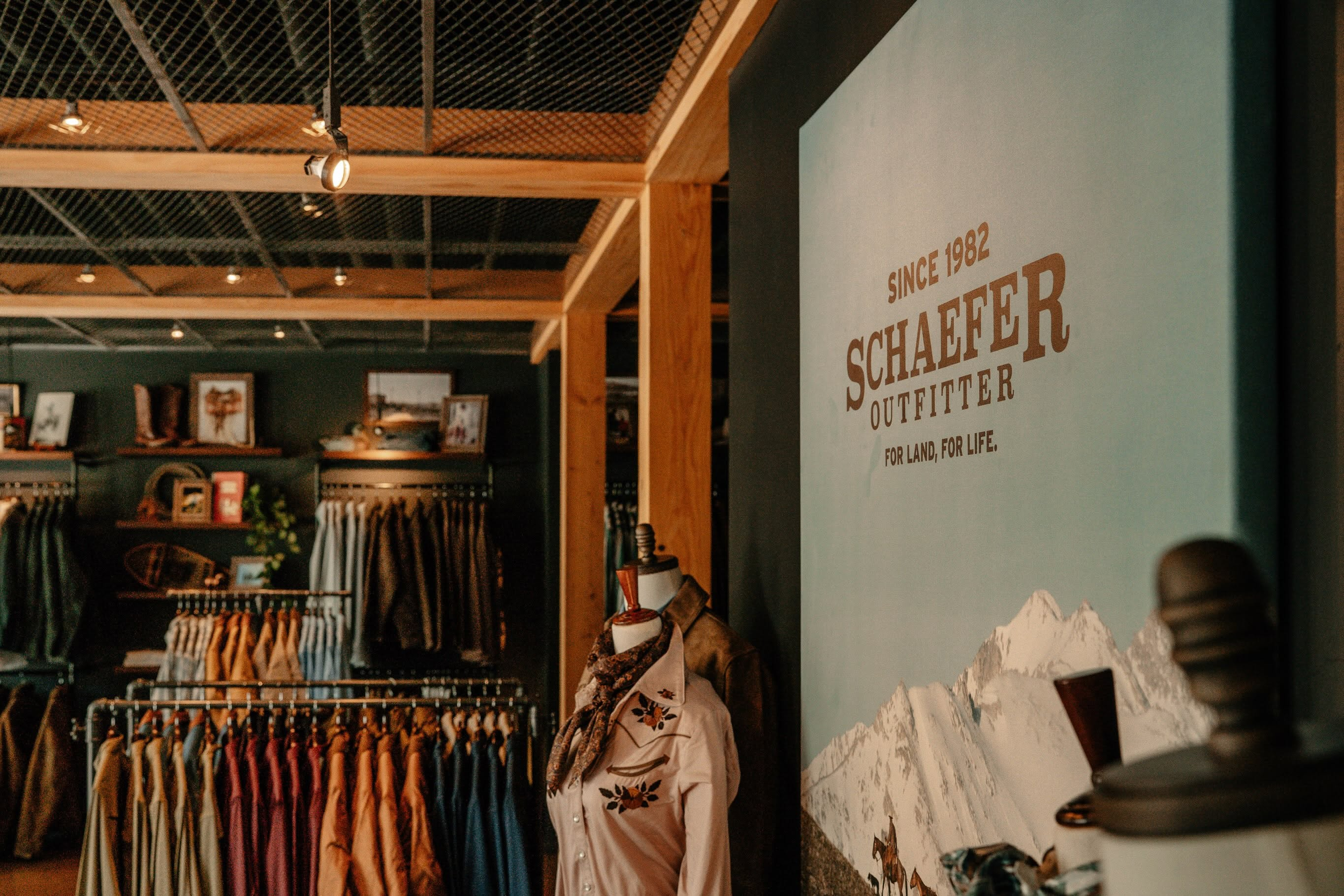
“We can't just keep making the same stuff.”
Schaefer has always been rooted in working Western, but its customer base has grown well beyond that.
Today, people buy Western clothing for all kinds of reasons. Some work in the industry, some ride, and others are drawn to the style. Schaefer had an opportunity to reach more of those customers, but it meant rethinking some of its products.
Women's clothing was a big part of that.
When Jason came in, women's products accounted for just 3% of sales. Much of the line was essentially men's clothing made in smaller sizes, and the team knew that wasn't enough.
They started paying closer attention to what women actually needed from their clothing, from the fit to how it performed while riding, working, or competing.
The difference has been substantial. Women's sales have grown from 3% in 2022 to an expected 30% this year. Jason sees room for that number to keep climbing, potentially bringing the business close to an even split between men's and women's.
“Every piece has an intent.”
Growing the product line doesn't mean cutting corners to make it happen.
Jason points to Schaefer's performance shirt as an example. The company chose nylon over polyester, even though nylon costs more. It's a decision that affects the price, but one Jason believes is worth making.
He knows Schaefer isn't the cheapest option out there. The goal is to find a fair price for the customer without giving up the quality the brand is known for, even if that means the company has to absorb some of the added cost.
There's also the challenge of getting people to understand what makes the product different. Online, you can describe a fabric all you want, but it's hard to get across how it actually feels.
That's part of why Jason wants to get more Schaefer products into stores and wholesale accounts. Sometimes, he says, he just wants people to come in and touch the stuff.
“I have never done well in big companies.”
When Jason came into Schaefer, the team had just 16 full-time employees. For him, the size of the operation was part of the appeal.
In a smaller company, you can move quickly. You don't have to run every idea through several layers of approval, and when something isn't working, you can make a change.
Of course, that also means making plenty of decisions without knowing exactly how things will turn out.
Jason talks about how rarely you have all the information you want before making a call. Sometimes you have 80% of what you need, trust your instincts, and move forward.
It's a different way of working than in a large company, and one that suits him. It has also given Schaefer room to try things, learn as it goes, and keep moving.
“The fire was there.”
Jason uses a simple analogy to explain what it was like coming into Schaefer. The fire was already burning. He didn't have to start it.
The brand had loyal customers, a history, and a product people believed in. His job was to build on that, finding new opportunities without losing sight of why people had supported Schaefer in the first place.
That work is still underway. The women's line is growing, the customer base is changing, and the company is finding new ways to get its products in front of people.
After more than 40 years in business, Schaefer has plenty of history behind it. Jason's focus now is on what comes next, and what the company will look like another 45 years from now.
Listen to the full conversation with Jason Smith on Episode 13 of The Brief.
