

What Is a Brand Activation Actually For?
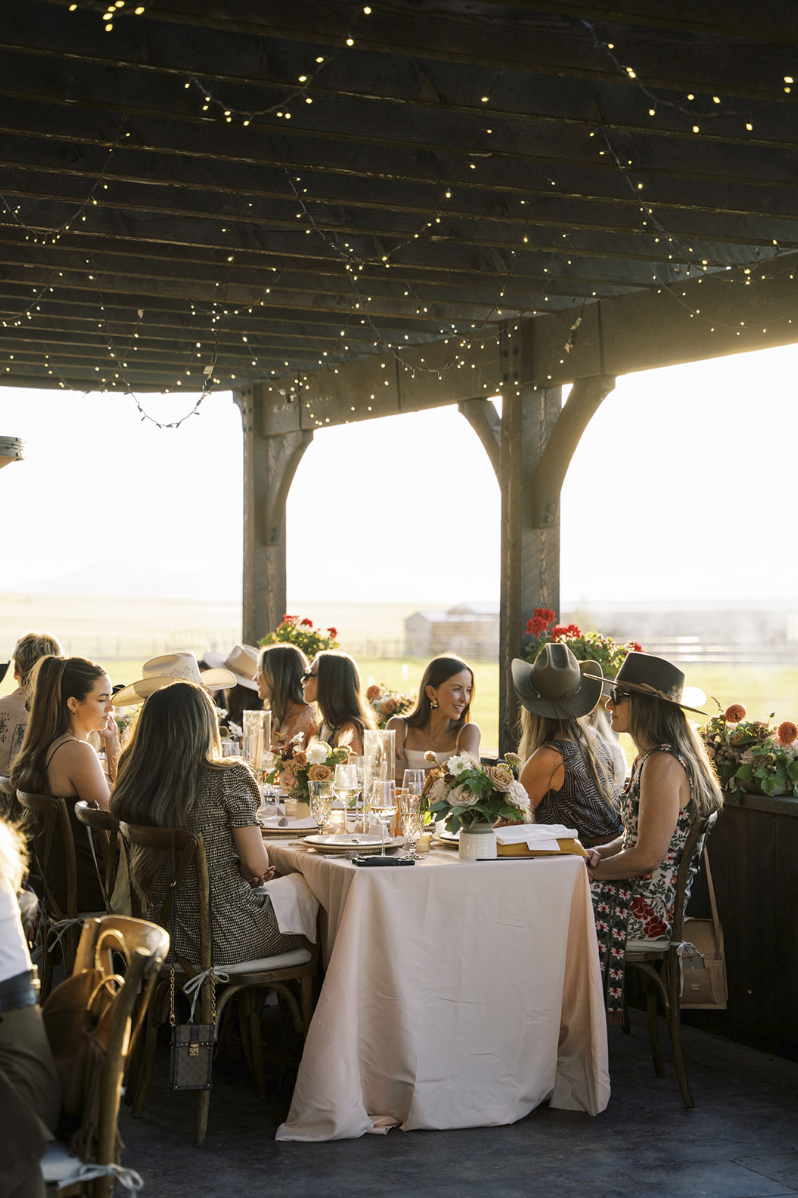
We Knew Exactly What This One Was For
Most businesses only build rooms for people who haven't paid them yet. Every event budget goes toward acquisition, and the people who already trust you get an invoice and a newsletter.
This dinner was for current clients only. Nobody in that room was being sold anything, and that was the point.
Our clients all knew us individually. Collectively, they were a community of founders and operators building remarkable things across this state, and plenty of them were working miles apart and had never met. What that community was missing wasn't a newsletter. It was a table.
That was the entire objective. We were not there to generate leads or capture content. We were there to build a room where forty people who should already know each other finally did.
Once you stop measuring an activation by reach, three things become visible.
It deepens trust that already exists.
A client knows your work, but three hours in a room with your team is how they learn what you are actually like, and that is the difference between a vendor they renew and a partner they refer.
It creates relationships you don't control.
The highest value outcome of the evening wasn't anything guests said about us. It was what they said to each other, and most of those introductions happened without our help.
It creates relationships you don't control.
The highest value outcome of the evening wasn't anything guests said about us. It was what they said to each other, and most of those introductions happened without our help.
It compounds.
A campaign stops working the day you stop paying for it, but a relationship formed at a table keeps producing referrals, collaborations and repeat work for years, and nothing on the invoice reflects that.
Every Partner Was a Trade
Nothing at that ranch was there because it looked good in a photo.
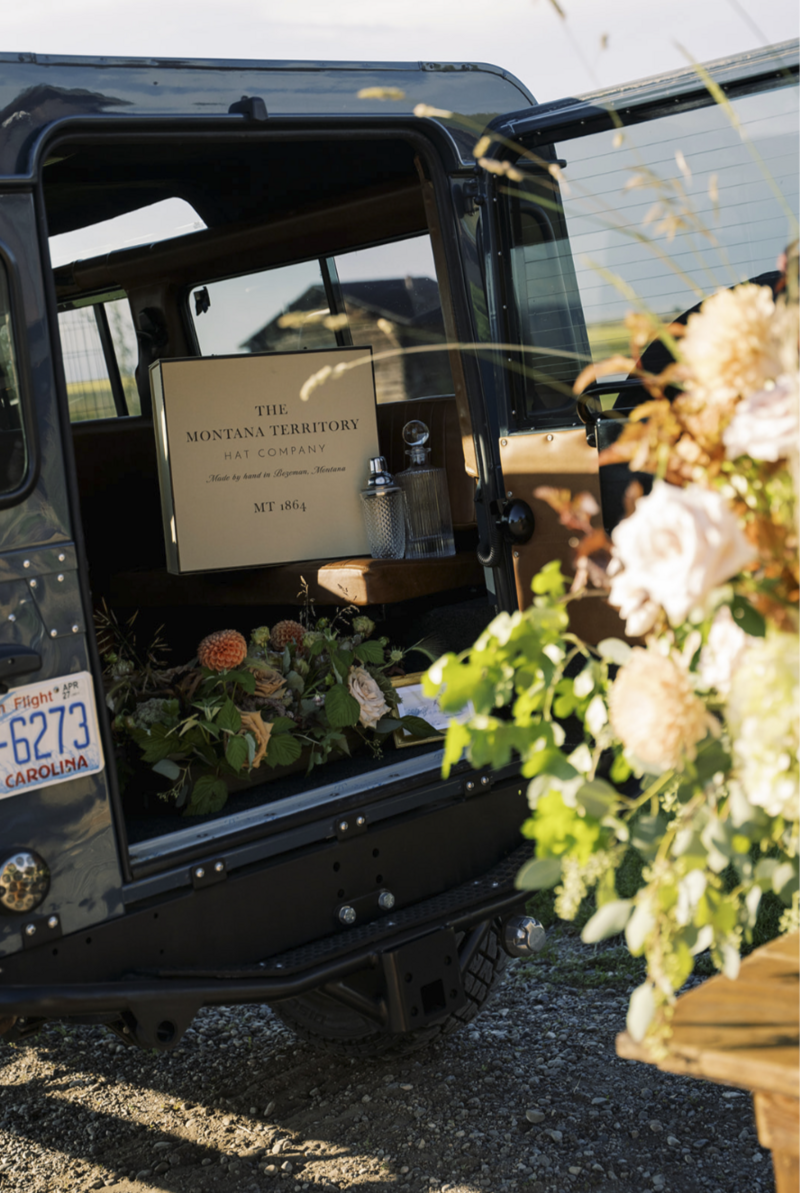
The agave in the cocktails, the hats the bartenders wore, the Defender parked in the drive overflowing with dahlias, and the caviar on top of the hot dogs were all Montana or independent brands we brought in on purpose.
Each of them gave us something real. They didn't give us a logo on a sign, they gave us craftsmanship that made the evening feel undeniably of this place rather than merely set in it. Each of them got something back as well, which was a room full of Montana business owners and creatives they don't reach on their own.
That is the part brands miss when they chase partnerships and collaborative events. They know exactly what they want to receive and they never define what they are giving. If you can't name what the other side is getting, you don't have a partnership. You have a request.
"If you can't name what the other side is getting, you don't have a partnership. You have a request."
The Room Starts Before Anyone Arrives
Weeks before the dinner, every guest received an email with a style inspiration board and a playlist Liv had made for the evening.
That wasn't a nice touch. Eleated Western means something different to everyone, and telling forty people what to expect meant that forty people arrived confident instead of guessing. The playlist meant the night started on the drive to work days earlier.
Most brands treat the invitation as logistics. It is actually the first slide of the experience.
The Rain Plan Was the Pitch
For weeks the dinner was planned for the lawn. Every detail was mapped out, down to where guests would stand to watch the sun drop behind the mountains.
For weeks the dinner was planned for the lawn. Every detail was mapped out, down to where guests would stand to watch the sun drop behind the mountains.
By seven the sky had cleared. The rain had settled the dust, the temperature had dropped, and the light coming through the pergola was better than anything we had planned for the lawn.
Here is why that matters, and it has nothing to do with weather. Forty business owners watched a team absorb a total change of plan sixty minutes out and produce something that looked effortless. No deck communicates that. The competence wasn't described to them, it was demonstrated in front of them, and every person in that room now knows what happens when something goes wrong on their project.
That is the argument for activations that nobody makes, because it can't be measured in impressions. Your operational judgment is your most persuasive asset, and it is almost impossible to show off. An activation is the exception.
The Seating Chart Was the Strategy
The highest leverage decision of the entire evening cost nothing.
Liv sat at the ranch with every guest's name in front of her and worked through the seating one person at a time. She thought about who had been meaning to meet, which two owners had something to learn from each other, and which friendship seemed like it was waiting to happen. That work couldn't be delegated, because it required actually knowing every person at the table, and it took longer than almost any other detail of the night.
That is the part brands skip. They will spend forty thousand on production and then seat people alphabetically, and then they wonder why the evening felt lovely and changed nothing.
Everything else did its job, which was to make the room feel worth being in. We hand illustrated an emblem for the night, inspired by Charles M. Russell, and it showed up on the invitation, the welcome sign, the menus, the cocktail cups and the gift tags. Liv hand lettered the place cards the morning of. River stones held down the menus, added at the last minute because of the wind, and half the guests mentioned them.
None of that was the strategy. It was the reason people stayed long enough for the strategy to work.
THE TAKEAWAY
A brand activation is not an event. It is a room built to produce one specific outcome, and the reason so many of them fail is that nobody decides what that outcome is before the money goes out the door.
So before you budget anything, answer one question. What do you want to be true when everyone goes home? If the answer is that you want content, buy a photoshoot instead, because it is cheaper and it is better at that job. If the answer is that you want people to trust you, know each other, and stay, then build the room on purpose and put the money into the decisions nobody photographs.
