

Most People Don't Remember What You Said. They Remember How You Made Them Feel.
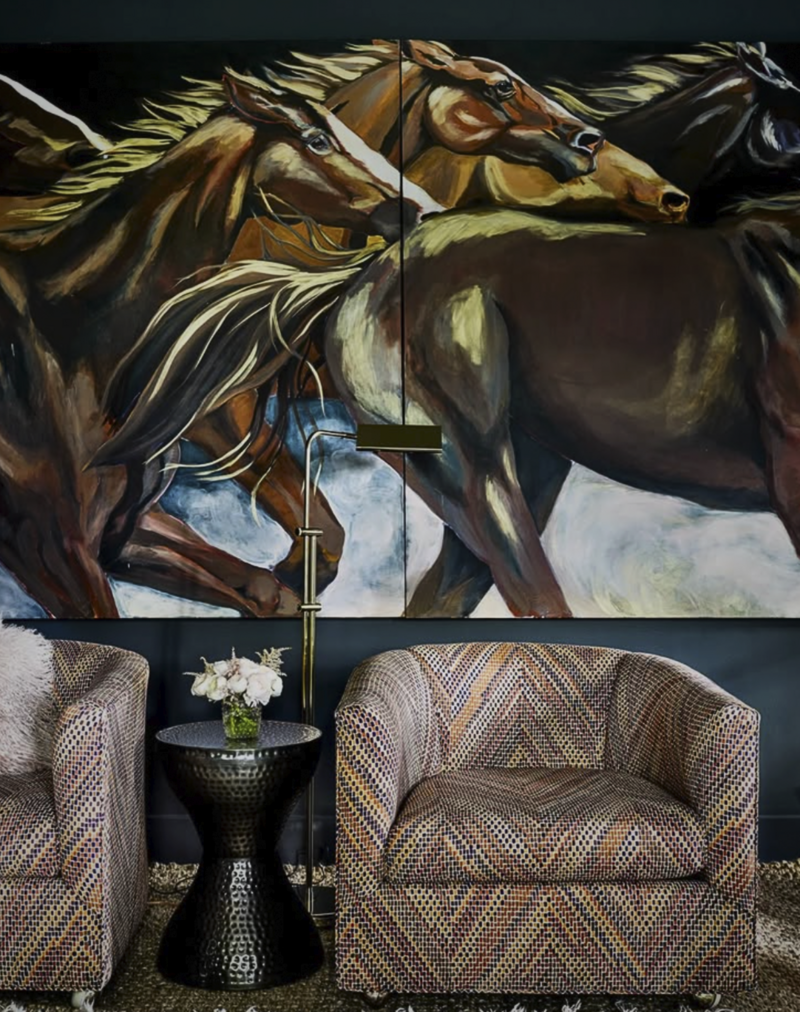
What The Brief's conversation with SB Creative's founder reveals about building brand as a foundation rather than a department.
"We all just want to feel seen and heard and understood and cared for."
That line, said almost in passing, is the clearest summary of how Stephanie Bradshaw thinks about brand. People rarely remember the specifics of what a business said or made. They remember how being around that business made them feel, and for Stephanie, that feeling is not a byproduct of good marketing. It is the entire point of the work.
Stephanie is the founder of SB Creative, a Maryland-based studio that works across interior design and brand development, with a client roster that includes national names like Black & Decker and Sherwin-Williams. She started the business in 2008 after being let go from a corporate role in business development, and what began as interior design for friends and family eventually grew into weddings, event production, and, once the pandemic reshaped the events industry entirely, a full pivot into interiors paired with brand strategy.
Brand Is Not a Department
Ask Stephanie about a supper club she co-founded called Ardor Collective, and she will correct you before you finish the question. It is not a dinner party. It is a brand experience, built with the same intention she brings to any client project.
"No, you don’t understand, we’re branding this. We’re not just having a dinner party."
That distinction matters more than it sounds. A lot of business owners treat brand as the layer you apply after the real work is done, the logo and the color palette that get bolted onto whatever the business already is. Stephanie's approach reverses that order entirely. The brand comes first, and every experience the business creates, down to a single evening with twelve women around a table, gets built to produce a specific feeling in the people who walk into it.

When the Brand Is Right, Community Follows
That same principle explains the Baltimore Design District, a networking organization for designers and architects that Stephanie built because her market simply did not have one. She did not set out to build a community as a growth tactic. She built a brand she believed in strongly enough that gathering people around it became the natural next step.
"How do we want this brand to make us feel? And what do we want the people that want to be part of that to feel in that community?"
That question, asked before any event gets planned, is the actual throughline of her business. Community is not something she bolts onto a strong brand to extend its reach. It is what a strong brand produces once it has somewhere real to go.
Staying the Same Person, Everywhere
Stephanie's consistency is not incidental. It is the mechanism that keeps the feeling intact across every context.
"If you know me, I really am the same person that you see on social media."
If a brand promises something the actual experience does not deliver, people notice immediately, and the feeling that was supposed to bring them back never fully forms. Stephanie's insistence on being the same person in a client meeting, at a dinner table, and on a phone screen is what allows that feeling to hold no matter where someone encounters her.
THE TAKEAWAY
Most businesses build campaigns first and hope a community eventually gathers around them. Stephanie Bradshaw builds the brand first, gets clear on exactly how she wants people to feel inside it, and lets the community that forms be the evidence the brand is doing its job. If you are building something and wondering why people are not sticking around, the answer may not be a messaging problem at all. People forget messaging. They remember whether you made them feel like they belonged.
