
Montana Never Briefed Taylor Sheridan. He Rewrote Their Brand Anyway.
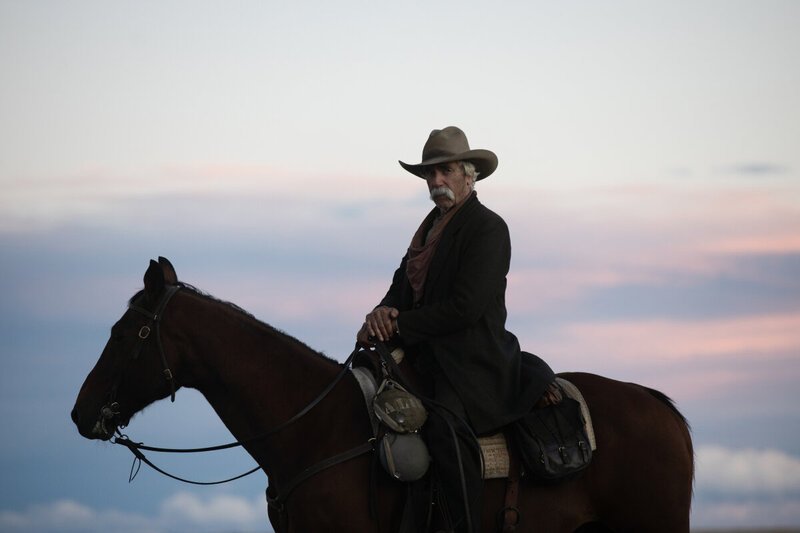
Montana never hired Taylor Sheridan. There was no brief. No discovery call. No brand questionnaire. No one sat down and decided that Montana should become synonymous with rugged legacy, generational wealth, and the last place on earth where something real still exists.
Sheridan just made a show he believed in. And as a side effect, he rewrote the identity of an entire state. Changed its economy, its demographics, its housing market. No stakeholder sign-off required.
That's not a compliment to Sheridan. It's a warning to everyone else.
Because what happened to Montana is what happens to every brand that doesn't own its story. Someone else steps in and writes it for you. And you don't get a revision round.
What Sheridan Actually Built
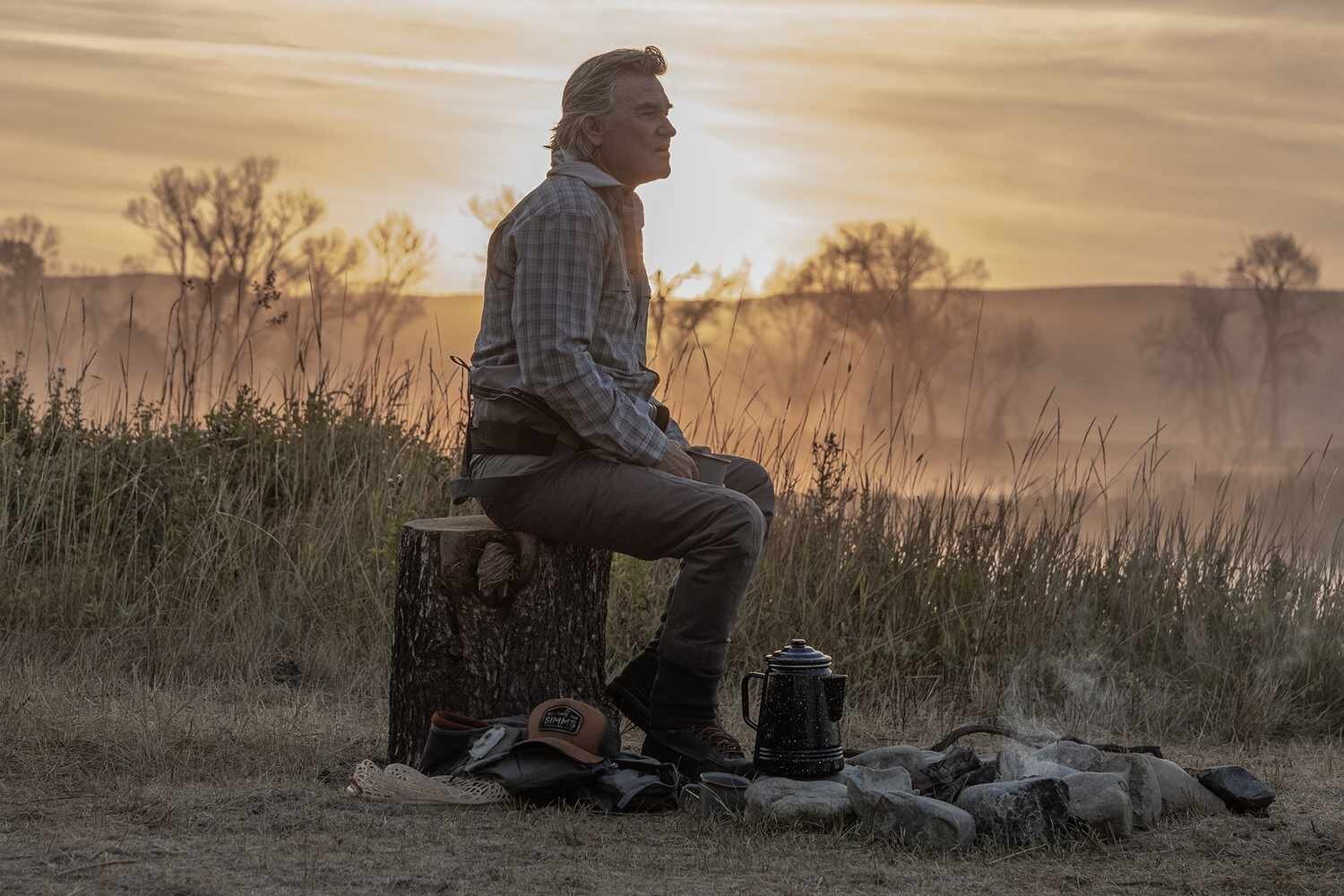
Yellowstone premiered in 2018. The Madison, his newest standalone series on Paramount+, stars Michelle Pfeiffer and Kurt Russell as a New York City family who relocate to the Madison River valley after a major tragedy. It's his latest chapter in the same cultural universe. And across that run, Sheridan did something that tourism boards, destination marketing organizations, and state governments spend millions trying and failing to do: he made people feel something about a place so strongly they physically moved their lives there.
That's not filmmaking. That's brand building. He created a mythology. Montana as aspiration, Montana as identity, Montana as the last place where things are still real. That mythology now precedes every conversation anyone has about this state.
Ask a Bozeman realtor how many buyers reference Yellowstone unprompted. Ask a local business owner how many new customers moved here because of a TV show. The show didn't just change perception. It changed the physical makeup of the communities it depicted.
The Part Nobody Talks About
Here's what gets left out of the "Sheridan is a genius" conversation: the story he told wasn't Montana's story. It was his version of it.
His Montana belongs to wealthy landowning dynasties. It centers the people with the most land and the most leverage. The working families, the small business owners, the Indigenous communities whose relationship to this place predates every Dutton by thousands of years are not in the frame. And because Sheridan's version is the loudest, it becomes the default.
That's the real risk of letting someone else control your narrative. They don't tell your story. They tell the story that serves their story. And the gap between those two things is where real damage happens.
The mythology Sheridan built made Montana so desirable that the people who actually made it worth filming can no longer afford to live there. Housing prices in Bozeman have surged to levels that put the city out of reach for working families, public employees, and longtime locals on fixed incomes. Ask a Bozeman teacher where they live now.
None of that makes it into The Madison. But all of it is a direct consequence of the brand mythology Sheridan created.
So What Does This Have to Do With Your Business?
Everything. Because the same dynamic plays out at every scale.
When you don't show up with a clear, consistent, intentional story about who you are and what you stand for, someone else fills that void. It might be a competitor positioning against you. It might be an unhappy client review that becomes the first thing people find. It might be the general impression that forms when your online presence is scattered, inconsistent, or just absent.
You don't have to be a state with a Paramount+ show for this to matter. You just have to have customers who are forming an opinion about you whether you're participating in that conversation or not.
A few questions worth sitting with:
If someone Googled you right now, what story would they piece together? Is that the story you'd choose?
Who is currently defining your brand in the absence of your own clear voice? A competitor? A review? An outdated website?
What's the version of your story that only you can tell, the one that's specific enough and true enough that no one else could write it for you?
The Businesses Getting It Right
The brands thriving in Montana right now aren't competing with Sheridan's mythology. They're not leaning on it either. They're doing something harder and more interesting: telling a version of this place that the show can't, because it belongs to them specifically.
Their story is too particular, too grounded, too genuinely theirs to be absorbed into a Hollywood version of the West. And that specificity is exactly what makes it powerful.
That's the play. Not reaction. Not imitation. Ownership.
THE TAKEAWAY
Influencer marketing in 2026 isn't about finding the right creator to post your product. It's about building a brand that operates like a creator, one that shows up consistently, earns trust over time, and treats its audience like a community instead of a funnel. Alix Earle didn't launch a skincare line. She launched the payoff of a decade of consistent storytelling. And whether you love every move she makes or not, you have to admit it: she's really on it. The rest of us should be taking notes.
