

Your Marketing Shouldn’t Be This Complicated
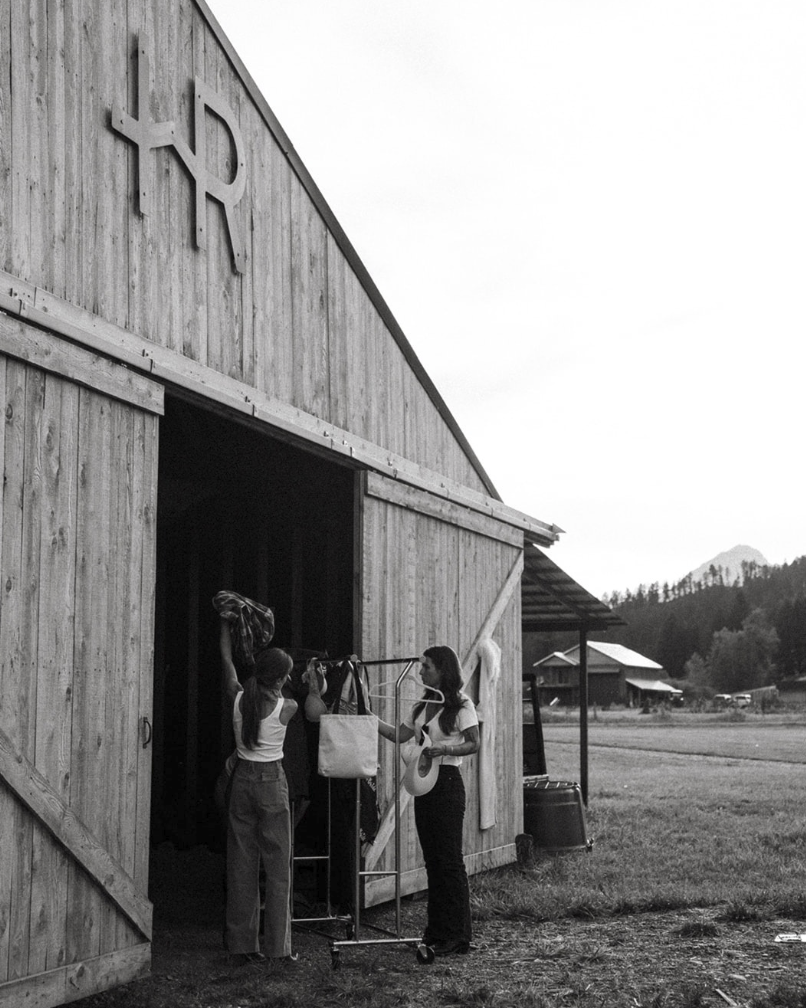
“Marketing’s just been the Wild West the last 10 years.”
For a lot of businesses, marketing has become something they piece together. One person manages social media. Someone else designed the website. A photographer gets called when new content is needed. Another freelancer runs paid ads. Maybe there is a graphic designer somewhere in the mix, too. Individually, every person involved might be incredibly talented, but no one is looking at the entire picture.
Your website, social media, photography, campaigns, messaging, email, paid ads, and overall strategy are all telling the same story. When they are being created independently from one another, that story can start to feel fragmented. Somewhere in the middle of it all, the business owner becomes the person responsible for connecting the dots.

“It’s all one breathing and living thing.”
In Episode 11 of The Brief, Liv and Kam sit down to talk about what businesses are actually investing in when they choose an integrated agency, the hidden cost of fragmented marketing, and why having one team that deeply understands your business can change the way everything works together.
For Liv, that realization came from years of watching Bozeman Media Design evolve. BMD originally started with social media management and content creation, which meant the team was often responsible for only one piece of a client’s marketing. The branding might have come from one agency, a different person built the website, and another photographer created the imagery. BMD could create great social content, but they were still working within an ecosystem they had not built.
As the agency expanded into branding, messaging, websites, campaigns, email marketing, paid media, photography, and creative direction, something shifted. The work started feeding itself. A brand strategy could inform the website. The website could inform a campaign. The campaign photography could become six months of social content, appear in email newsletters, run in paid ads, live on the website, and eventually show up in print. Instead of creating five separate things, one idea could move through five different places.
“You’re really paying for a whole team in one.”
There is an obvious reason businesses piece together their marketing: on paper, it can look cheaper. But the invoice is only one part of the cost. There is also the time spent sending files between contractors, explaining the brand again, managing timelines, finding someone new when a freelancer stops offering a service, and making sure the person running social media knows what the person building the website is doing.
Then there is the strategy behind all of it. At BMD, the team meets twice a week to go through every active client. Different departments bring what they are seeing, building, planning, or noticing, whether that is an upcoming shoot, a paid campaign, a design idea, or an opportunity that could make sense for the brand. The client does not have to facilitate those conversations. They get to run their company.
That behind-the-scenes communication is part of what an integrated approach actually buys. It is not necessarily one person doing everything. It is multiple people working from the same understanding of where the brand has been, what is happening right now, and where it is going next.
“You should feel so good that you just spent five grand on a photo shoot.”
A photoshoot should not give a business six weeks of Instagram posts and then disappear. It should give them an entire library. The same photography can live on social media for months, become part of an email campaign, update a website, support paid advertising, show up on Pinterest, accompany editorial or PR, and eventually make its way into print.
That is where looking at marketing as an ecosystem starts to change the value of the investment. The question becomes less about how much one photoshoot, campaign, or piece of content costs and more about how far that investment can go. When every part of the marketing strategy is connected, one creative decision can continue working long after the original campaign launches.
“What is your North Star?”
Consistency does not mean doing the same thing forever. Platforms change, formats change, trends change, and the way people consume content changes. Brands have to move with them. The challenge is knowing what should evolve and what should stay the same.
Liv and Kam talk about the importance of having a strong brand and clear messaging underneath everything else. When that foundation exists, a business can experiment with a trending Reel, change the way it shoots content, try a new campaign concept, or adapt to a new platform without losing the thing that makes the brand recognizable. The format can change while the story still feels like yours.
That becomes even more complicated for personal brands, where the person behind the business might be simultaneously sharing their work, lifestyle, interests, partnerships, and expertise. The answer is not necessarily narrowing everything down to one thing. It is knowing the core pillars well enough that all of those different pieces still feel connected.
“If it feels good, stick with it.”
An integrated agency is not automatically the right answer for every business, and that is an important distinction. If you have a photographer you love, a designer who understands your brand, a social media manager doing incredible work, and a system that feels cohesive and manageable, there may be no reason to change it. There are also businesses that would be better served by hiring someone in-house, while others might simply need a consultant to help oversee the specialists they already have.
The real question is whether the system is working. Liv and Kam suggest looking at your Instagram, website, email newsletters, paid ads, photography, and other marketing touchpoints side by side. Do they sound like the same company? Do they look like the same company? Then look at how much of your own time it takes to keep them that way.
Because the hidden cost of fragmented marketing is not always the money being spent. Sometimes it is how much of the business owner it requires.
“Is it sustainable?”
That might be the simplest question to ask about your marketing. Not just whether it looks good right now, but whether the people, processes, strategy, and investments behind it can continue working a year from now.
A strong marketing ecosystem should become more valuable over time. The team learns the business, the creative gets sharper, past campaigns inform future ones, and the brand develops a history. Instead of starting from zero every time something new needs to be made, each new piece builds on everything that came before it.
Marketing is still a lot of work. But when the right people, strategy, and creative are working together, it does not always have to be a lot of work for you.
Listen to the full conversation with Liv and Kam in Episode 11 of The Brief, “Your Marketing Shouldn’t Be This Complicated.”
