

How to Find Value Where No One Else Is Looking with Brit Eaton
“It’s impossible to seek treasure without encountering conflict.”
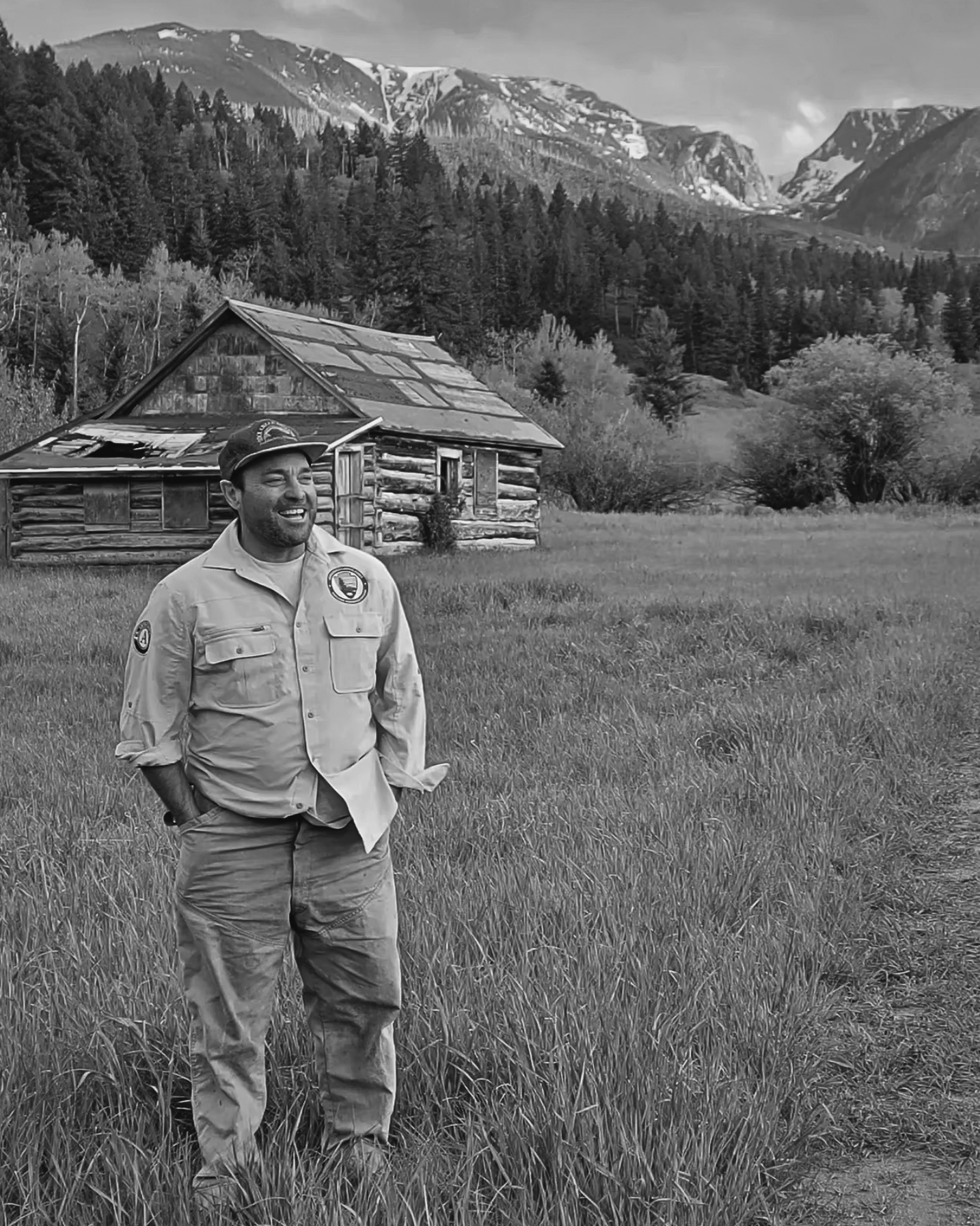
Brit Eaton has spent nearly three decades looking for old clothes in places most people would never think to look.
Abandoned mines. Remote ranches. Barns, attics, old general stores, and forgotten corners of the American West. Through Carpe Denim, Brit has turned that instinct into a career, sourcing vintage pieces for Ralph Lauren, Levi’s, Dickies, Gap, and Hollywood wardrobe departments. He has sold a single pair of Spanish-American War-era chinos for $12,000 and uncovered $50,000 worth of clothing in a single day.
But the clothes are only part of the story.
What Brit is really looking for is history: who wore something, where it came from, how it was used, and why it managed to survive long enough for him to find it.
“I love fishing. I love vintaging more.”
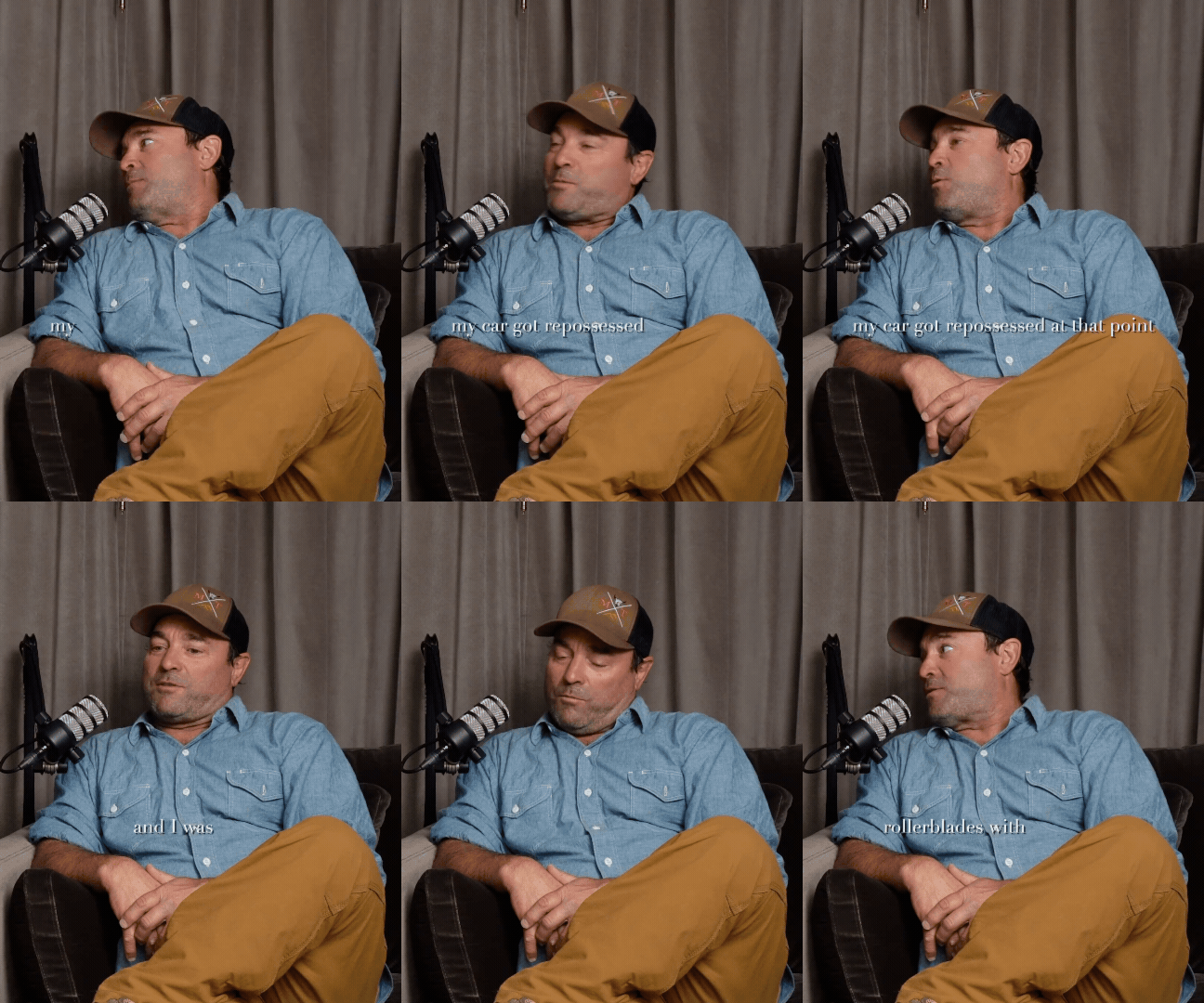
In the latest episode of The Brief, Liv sits down with Brit to talk about how an obsession with old clothes became an unconventional career built around curiosity, instinct, and a willingness to go where other people aren’t looking.
His path into the vintage world was anything but traditional. After college, Brit began exporting Harley-Davidsons to Europe. While overseas, he realized just how much demand there was for American Levi’s. That eventually led him to flea markets and thrift stores, where he began learning which pieces were worth something and, more importantly, why.
Over time, buying and selling became collecting. Collecting became investing. And the hunt became a way of life.
Brit describes himself today as equal parts dealer, collector, and investor. One of his first major denim investments was a pair of Levi’s he bought for $23,000, held for seven years, and eventually sold for $87,000.
The value was already there. He just saw it before most people did.
“You don’t want to be the guy that doesn’t have any presents left to open.”
That instinct shows up in the way Brit hunts, too.
He tells Liv about arriving at the former home of Mabel McKinley, a woman who had lived an incredibly traditional life on a remote property in eastern Colorado. When Brit was finally given access to the house, he didn’t immediately start digging.
He documented it first.
The clothes, objects, and rooms were still sitting where they had been left. Rather than rush toward whatever might be valuable, Brit spent nearly an hour photographing everything in place, stretching out what he describes as the feeling of “impending joy” when he knows there is something extraordinary waiting to be found.
Eventually, he uncovered handmade denim from the 1920s and a one-of-a-kind reversible denim and leather jacket. He sold the jacket to Ralph Lauren for $3,000. Today, he estimates that same piece could be worth around $50,000.
It is a good example of what makes Brit’s approach different. Finding something is only the beginning. Understanding what you are looking at is the real skill.
“Hardly anyone I ever met was looking for old jeans.”
Brit has been picking Montana for roughly 30 years, long before vintage clothing became the cultural and commercial force it is today.
He remembers knocking on ranch doors and telling people he was searching for old clothing when the idea still seemed strange. Now, he says, vintage shops can be found throughout Montana, and the competition for untouched pieces has completely changed the hunt.
That growth has also changed the relationship between vintage and the fashion industry.
At one point, Brit says he worked with dozens of Ralph Lauren designers, sending vintage pieces that could be studied for washes, distressing, cuts, construction details, and inspiration. In one particularly fitting accident, a pair of jeans he had loaned the company was labeled “Eaton,” and the name eventually made its way onto a Ralph Lauren jean.
What started as old workwear sitting unnoticed in barns became reference material for some of the biggest brands in fashion.
And somewhere along the way, the rest of the world started looking, too.
“I’m in the river and I let the current take me where it feels like.”
There is no particularly clean formula behind Brit’s career.
He follows leads. He reads history. He knocks on doors. He says yes to strange opportunities. Sometimes he finds something extraordinary, and sometimes he arrives just a little too late.
He tells Liv about driving to see a collection of old jeans only to have the barn holding them burn down while he was on his way. Another time, he tracked down a general store from the early 1900s that still had its original inventory, only to learn the building had been pushed into a hole and burned. Brit estimates what was inside could have been worth millions.
That unpredictability is part of the job.
Because after nearly three decades of doing this, Brit’s career is ultimately less about knowing exactly what you are going to find and more about knowing where to look.
Listen to the full conversation with Brit Eaton on Episode 10 of The Brief: How to Find Value Where No One Else Is Looking.
